What regulations apply to commercial kitchen flooring in food service?
commercial kitchen flooring
In the fast-paced and high-demand world of industrial kitchens, choosing the right flooring is essential. Whether you’re outfitting a commercial kitchen, a food processing plant, or a large-scale restaurant, the floor must meet specific performance criteria. Commercial kitchen flooring plays a critical role in maintaining hygiene, safety, and durability under constant pressure from heat, moisture, and heavy foot traffic. However, beyond its functional benefits, flooring in food service environments must comply with strict health and safety regulations set by various authorities to ensure a safe and sanitary working environment. These regulations are designed to prevent contamination, reduce the risk of accidents, and promote long-term durability in food service operations.
Health and safety agencies like the U.S. Food and Drug Administration (FDA) and local health departments outline clear standards for surfaces used in food preparation areas. According to the FDA Food Code, commercial kitchen flooring must be smooth, durable, non-absorbent, and easily cleanable to prevent the buildup of bacteria and mold. These requirements ensure that no harmful microorganisms can harbor in cracks or porous surfaces, reducing the risk of foodborne illnesses. The flooring should also be resistant to chemicals, grease, and water since these substances are commonly encountered in kitchens. Compliance with these hygiene standards not only keeps the kitchen environment safe but also helps businesses avoid costly fines or closures due to health code violations.
Slip resistance is another crucial factor addressed by workplace safety regulations. The Occupational Safety and Health Administration (OSHA) requires employers to maintain a work environment free from recognized hazards, which includes minimizing slip and fall risks. For commercial kitchen flooring, this means choosing surfaces with adequate traction even when wet or greasy. Floors that meet slip resistance standards, often measured by the coefficient of friction, can significantly reduce workplace accidents. Many epoxy, resin, and specialized vinyl flooring systems are engineered to meet these safety requirements, providing a stable surface while remaining easy to clean. Meeting OSHA standards is not only a legal obligation but also a proactive measure to protect employees and enhance workplace productivity.
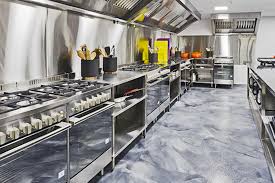
What regulations apply to commercial kitchen flooring in food service?
In addition to federal and state-level standards, local building codes and fire safety regulations influence flooring choices. Commercial kitchen flooring must withstand high temperatures and exposure to cleaning chemicals without deteriorating or posing fire hazards. Materials must also comply with standards for thermal expansion and resistance to thermal shock, as rapid temperature changes from hot spills or steam cleaning are common in food service settings. Furthermore, flooring should provide adequate drainage and slope to ensure water and waste are properly directed toward drains, reducing standing water and slip hazards. These detailed code requirements contribute to a safer, more efficient kitchen operation.
Environmental and sustainability considerations have also become part of regulatory frameworks. Many health departments and green building standards, such as LEED certification, encourage the use of eco-friendly commercial kitchen flooring materials that minimize volatile organic compounds (VOCs) and promote better indoor air quality. Resin-based and polished concrete systems are popular for meeting these sustainability and safety standards simultaneously. Selecting compliant materials not only supports environmental responsibility but also enhances the kitchen’s long-term performance.
Ultimately, compliance with flooring regulations in commercial kitchens is about more than meeting legal obligations—it’s about protecting people, products, and the business itself. Flooring that adheres to FDA, OSHA, and local code requirements ensures that every aspect of the kitchen operates safely and efficiently. The right commercial kitchen flooring combines hygiene, durability, slip resistance, and environmental responsibility, creating a foundation that supports both safety and productivity. By understanding and implementing these regulations, food service operators can maintain high standards of cleanliness and performance while building trust with customers and health inspectors alike.