How does circuit board assembly impact product reliability?
Circuit board assembly impact product reliability
Circuit board assembly plays a pivotal role in determining the reliability of electronic products. As the backbone of electronic devices, circuit boards house intricate networks of components that dictate the functionality and performance of the final product. The quality of assembly directly influences the reliability of these boards, affecting everything from consumer electronics to critical industrial machinery.
One of the primary ways circuit board assembly impacts product reliability is through the quality of soldering. Soldering is the process of joining electronic components to the circuit board using molten metal. Proper soldering is essential for creating strong, reliable connections that withstand the rigors of everyday use. Poor soldering, on the other hand, can lead to weak or intermittent connections, resulting in malfunctions or outright failure of the device.
In addition to soldering, the choice of components and assembly techniques also significantly influences product reliability. High-quality components sourced from reputable suppliers are less likely to fail prematurely, ensuring the longevity of the product. Similarly, employing advanced assembly techniques, such as surface mount technology (SMT) or through-hole mounting, can enhance the durability and performance of circuit boards.
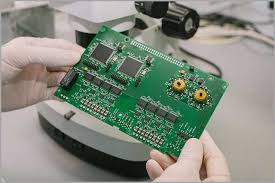
How does circuit board assembly impact product reliability?
Furthermore, the expertise of the assembly technicians plays a crucial role in ensuring product reliability. Skilled technicians are adept at following assembly instructions precisely, avoiding common pitfalls such as incorrect component placement or inadequate soldering. Their attention to detail and commitment to quality can mean the difference between a reliable product and one prone to frequent breakdowns.
Another factor to consider is the environment in which the circuit board assembly takes place. Proper temperature and humidity control are essential for preventing moisture ingress and thermal stress, both of which can compromise the reliability of electronic components. Cleanliness is also paramount, as dust and debris can impede electrical connections and cause short circuits.
Moreover, the reliability of circuit board assembly extends beyond the manufacturing stage to encompass the entire product lifecycle. Thorough testing and quality control measures during assembly help identify any defects or issues early on, allowing for timely corrections and improvements. Additionally, ongoing monitoring and maintenance efforts can help mitigate wear and tear, ensuring the continued reliability of the product over time.
In today’s fast-paced electronics industry, time-to-market pressures can sometimes lead to compromises in circuit board assembly quality. Rushed production schedules or cost-cutting measures may result in shortcuts that compromise product reliability in the long run. However, investing in robust assembly processes and prioritizing quality over speed can ultimately pay dividends by reducing warranty claims, enhancing brand reputation, and fostering customer loyalty.
In conclusion, circuit board assembly plays a critical role in determining the reliability of electronic products. From soldering techniques to component selection to environmental controls, every aspect of the assembly process impacts the performance and longevity of the final product. By prioritizing quality, investing in skilled personnel, and implementing stringent quality control measures, manufacturers can ensure that their products meet the highest standards of reliability and customer satisfaction.