Can PCB Manufacturers Work With IoT Devices?
PCB Manufacturers Work With IoT Devices
The Internet of Things, or IoT, has revolutionized our everyday lives by adding connectivity to products from household appliances to infrastructure components. This capability allows us to monitor, control, and interact with these devices without direct human intervention. It also allows devices to communicate with each other and share data, creating a smarter world that is more efficient, secure, and safe. And it’s all made possible through printed circuit boards, or PCBs.
A PCB is an insulating board with conductive pathways etched on its surface, connecting different components within a device and allowing them to communicate with each other. They are the backbone of modern electronic devices and can be found in a range of applications from computers and smartphones to medical equipment and aerospace technology. Without these vital, versatile platforms, our devices would not be able to function.
As IoT becomes more widespread, pcb manufactures are being added to an ever-increasing number of household and business products. As a result, they are encountering new challenges and demands that have never before been faced in the industry. This is resulting in a need to develop innovative new technologies that are capable of delivering the performance required by IoT devices.
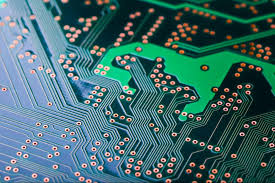
Can PCB Manufacturers Work With IoT Devices?
For example, IoT devices tend to have extremely small form factors that demand a higher level of functionality while keeping the design as minimalist as possible. These restrictions impose major constraints on the layout and space available for the PCB, making it important to utilize cutting-edge methods such as additive manufacturing, HDI (High-Density Interconnect) technology, and precision assembly processes.
The smaller forms of IoT devices also necessitate the use of innovative materials like flex and rigid-flex PCBs that can withstand mechanical stresses while providing added strength and reliability. In addition, the need to keep power consumption low while still maintaining a high level of connectivity means that designers must carefully plan out their component placement and conduct thorough testing during the manufacturing process.
When choosing a pcb manufactures to work with, consider their response times and the availability of technical support teams. Evaluate their pricing structures and minimum order quantities as well as their commitment to maintaining high-quality standards. Ultimately, it’s best to choose a manufacturer that offers a balance of competitive pricing and high-quality standards, with the added benefit of responsive customer support to address any questions or queries you may have.
As the IoT revolution continues to grow, we will need to continue developing cutting-edge technologies that will deliver on its promise of a safer, more efficient, and connected world. This requires a strong partnership between all the partners involved in IoT development, including PCB manufacturers that can provide the advanced and cost-effective manufacturing solutions necessary to bring them to market. By taking the time to research and select a qualified partner, you can be sure that your IoT projects will be a success from the start.